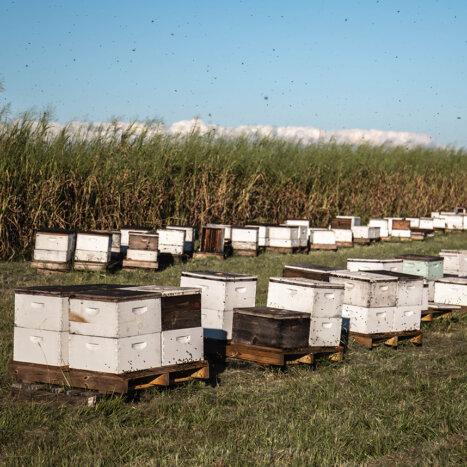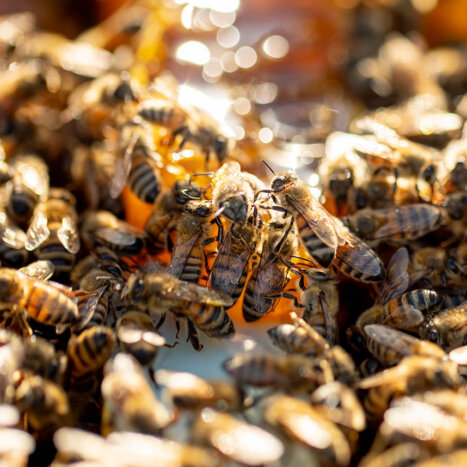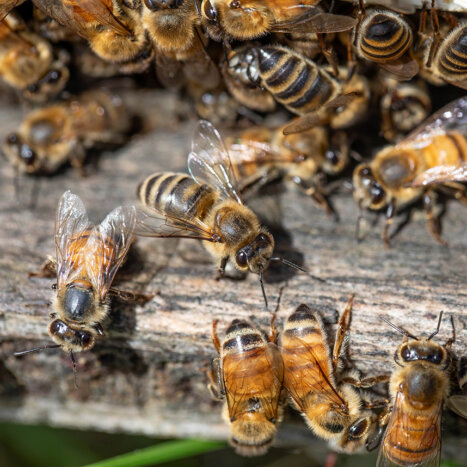
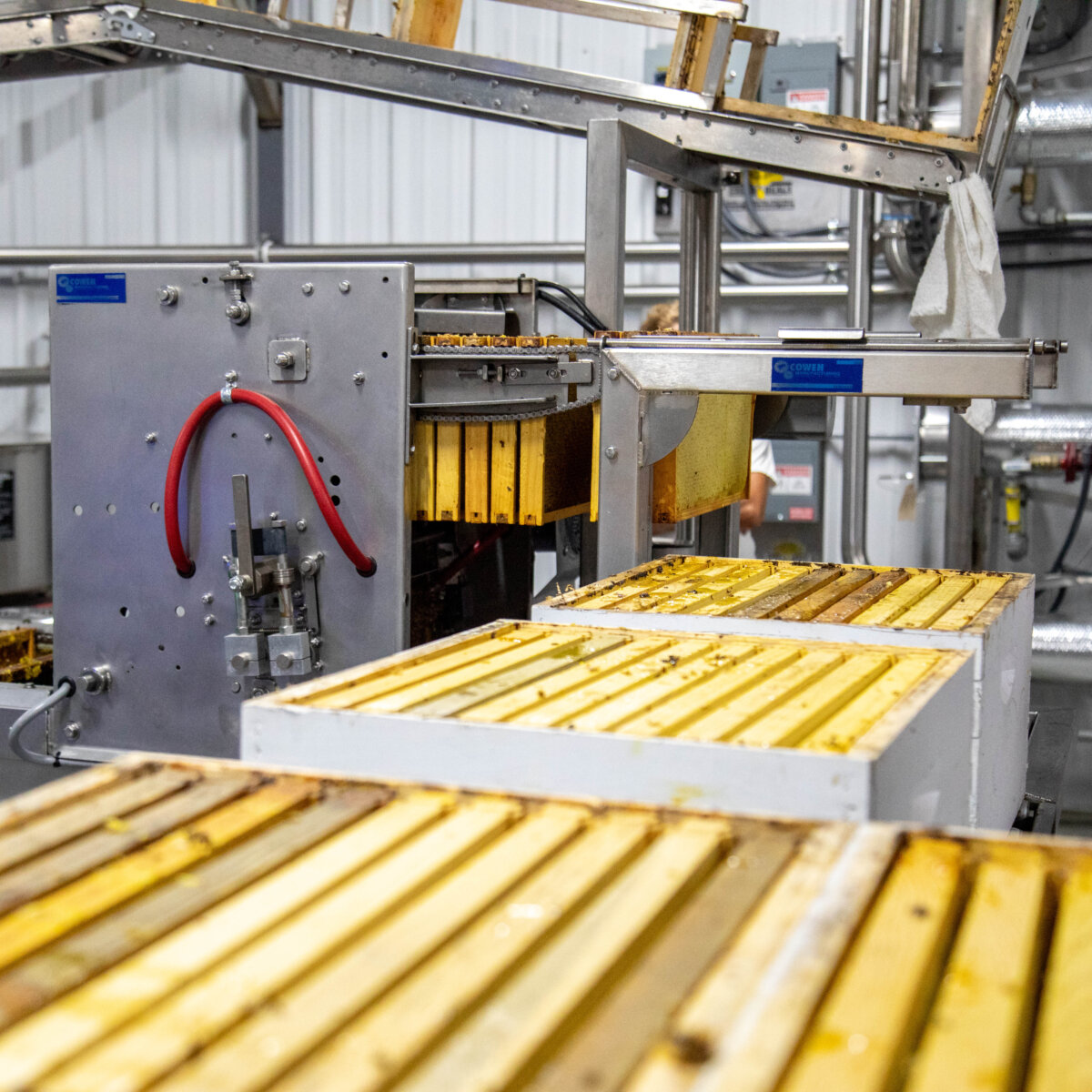
For the beekeeper, the honey harvest is the culmination of a year’s hard work, representing the collective labor of the entire colony. It’s a precise process that requires the right equipment, gentle handling and a commitment to preserving the honey’s natural purity. The journey of Nate’s Honey from the hive frame to the bottle is an art—and a sweet science—of extraction and careful straining.
Here is a step-by-step guide, following industry best practices, to the essential process of honey extraction and bottling.
Step 1: Harvesting the Ready Frames
The first step in extraction is selecting and removing frames ready for harvest. A frame is considered ready when the bees have capped the majority of the cells with a thin layer of wax. This capping indicates that the honey has been properly dehydrated by the honey bees and is fully ripened for storage.
- The Goal: The beekeeper must gently remove the selected honeycomb frames from the super (the top box designated for surplus honey storage) without damaging the comb or unduly stressing the colony.
- Safety First: As with any hive work, the beekeeper must use a smoker and wear protective gear to ensure a calm environment for both themselves and the honey bees.
Step 2: Uncapping the Honeycomb
Before the honey can be released, the protective wax cappings must be removed. This step requires specialized tools to scrape off the wax seals without damaging the underlying honeycomb structure.
- The Process: The frame is carefully held over a tray, and the wax cappings are scraped away using a specialized tool, such as a hot knife, an uncapping knife or a manual uncapping scratcher.
- The Result: Removing the wax opens up the hexagonal cells, allowing the viscous honey inside to be released. The removed wax, known as capping wax, is a valuable byproduct that can be rendered for beeswax.
Step 3: Extracting the Honey
Once uncapped, the frames are placed inside a honey extractor—a centrifuge that uses physics to safely separate the honey from the wax comb.
- The Tool: The honey extractor is a key piece of equipment, acting as a large drum that holds several frames at once.
- The Science: The extractor works by spinning the frames at high speed. The centrifugal force throws the honey out of the open cells and against the walls of the extractor drum. The honey then flows down the walls to the bottom, where it collects and drains out through a gate valve.
- Preserving the Comb: This method is the preferred way to harvest, because it leaves the honeycomb intact. By preserving the comb, the beekeeper can return the empty frames to the hive, allowing the bees to refill the cells quickly rather than spending valuable energy rebuilding the entire wax structure.
Step 4: Straining and Bottling
The final and most crucial stage is preparing the extracted honey for consumption, which involves removing any unwanted particles before packaging.
- Straining: The honey that drains from the extractor will naturally contain stray bits of wax, propolis, bee particles and other natural debris. The extracted honey is passed through a strainer to remove this debris.
- Maintaining Purity: For producers aiming for a raw and unfiltered product, minimal heat may be applied to make the honey more liquid for easier straining and bottling. This warming process helps ensure the honey is ready for consumption without altering its natural composition or destroying its natural benefits. The straining process should be just enough to make the honey clear and palatable for the consumer.
- Bottling: Once strained, the honey is ready to be blended and bottled.
For a detailed look at the process our operation uses, check out this video.
The journey from the busy hive to the kitchen table is a testament to the efficient cooperation between nature and careful management by beekeepers, ensuring that every drop of honey retains the flavor and goodness intended by the honey bees.
Read MORE