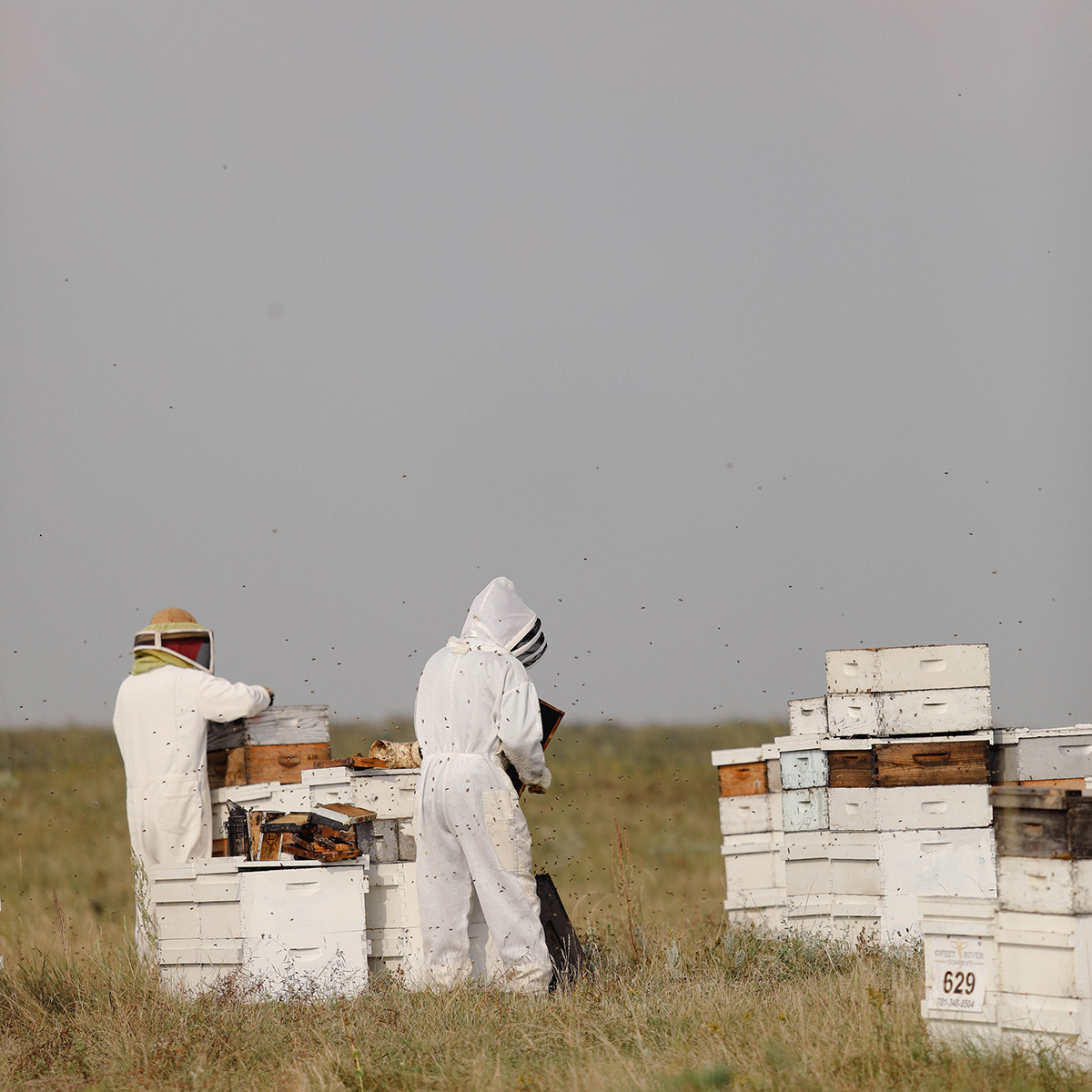
Filming B-roll, or as we like to call it, “bee-roll” footage, is an important part of creating behind-the-scenes content and capturing the intricate life of our beloved honey bee and the highest-quality, best tasting Nate’s Honey. However, unlike filming static objects or human interviews, capturing dynamic footage near an active honey bee hive requires that we follow safety protocols. When aiming for close-up, cinematic shots of honey bees, we have to shift the priority from simply getting the shot to ensuring the safety of the Nate’s Hives film crew and the well-being of the honey bee colony.
Our First Line of Defense
Protective gear is the first and most critical defense against stings. Without it, filming near a honey bee hive can be dangerous.
The Bee Suit and Veil
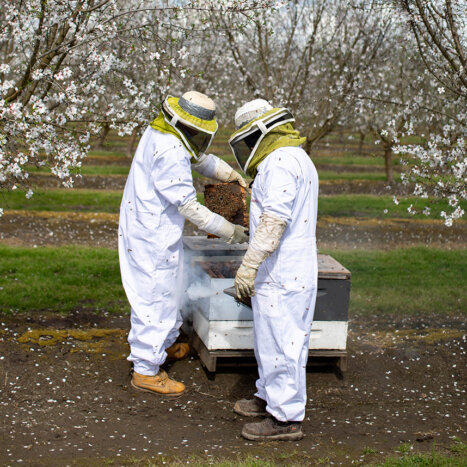
A high-quality beekeeping suit, whether organic cotton or a ventilated mesh blend, is designed with material thick enough to prevent a honey bee’s stinger from reaching the skin. The Nate’s Hives film crew ensures that the suit is worn completely zipped up, with all openings secured to prevent a curious honey bee from crawling inside.
- Veil Security: It’s crucial that the veil’s mesh not rest against the skin. If a honey bee lands on the mesh, it won’t be able to sting unless the mesh is pressed against the beekeeper’s face. We always wear the veil over a wide-brimmed hat to ensure it stands away from our faces for the best protection.
- Sealing the Gaps: Our trousers should be tucked into boots and our sleeves into gloves. Angry honey bees may try to target our ankles and wrists, so securing these openings eliminates potential entry points.
- Gloves: Goatskin or canvas beekeeping gloves protect the hands. While experienced beekeepers might forgo gloves for better control, for the Nate’s Hives film crew operating equipment near a hive, gloves are a necessary precaution for our peace of mind.
Our Unique Approach to Filming
The biggest trigger for stinging is aggressive or clumsy movement. Honey bees react strongly to feeling threatened. Therefore, when we are filming B-roll in this environment, we must adopt the beekeeper’s mantra: be slow, calm, careful and respectful.
Using the Smoker for Tranquility
The smoker is our main tool for avoiding stings and is a non-negotiable part of the filming process.
- Purpose: Our smoker uses cool, thick white smoke (fueled by untreated, natural materials like pine needles or burlap) to block naturally occurring pheromones, moving honey bees away from the hive entrance and the frames being filmed.
- Application: A Nate’s Hives certified beekeeper is always on set to control the smoker. A little smoke is all that’s needed to manage the honey bee colony and create an atmosphere where the honey bees are minimally stressed. This ensures the best experience for the honey bees, Nate’s Hives beekeeper and Nate’s Hives film crew, allowing for steady shots.
Slow, Deliberate Camera Movements
Standard B-roll techniques often call for sweeping or dynamic camera motion. However, near a honey bee hive, we always:
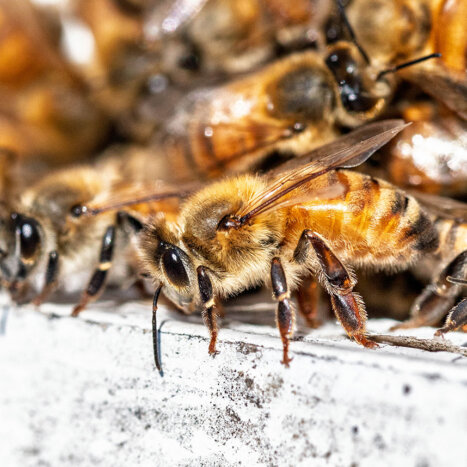
- Avoid Crushing: The primary cause of stinging is crushing a bee. The Nate’s Hives film crew must be fully aware of where they position tripods and stand to avoid crushing honey bees returning or leaving the hive.
- Manage Camera Gear: All equipment must be set up slowly and deliberately. When a Nate’s Hives beekeeper removes frames for a close-up, the frames must be pulled straight up and replaced gently to avoid crushing the honey bees clustered between them.
- Get a Full Shot: General B-roll practice suggests filming clips for a minimum of 20 seconds to allow for easy editing. We record sustained shots to reduce the need for the Nate’s Hives film crew to constantly reposition and disturb the hive.
Environmental Awareness
When setting up a shot, we heed the general advice for B-roll: Be aware of the background and clean up the area. For honey bee filming, this also means we pay attention to external factors:
- Timing: Mid-day, sunny weather during a nectar flow is often the most appropriate time to film. We avoid late-afternoon sessions or when stormy weather is approaching, as honey bees can become more defensive.
- Location: We always approach the honey bee hive from the rear or side, and we consider the honey bee hive’s placement relative to neighbors to avoid disturbing them with any increased honey bee activity.
By rigorously applying these safety and operational protocols, the Nate’s Hives film crew can successfully capture compelling, high-quality “bee-roll” while minimizing risk to our team and preserving the integrity of the honey bee colony.
This article was written based on safety guidelines from Nate’s Hives apiary teams and recommendations made by the American Beekeeping Federation. This article is for entertainment only and should not be attempted by anyone outside of Nate’s Hives employees.
Read MORE