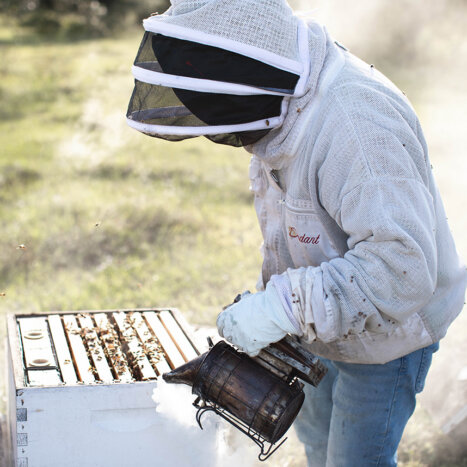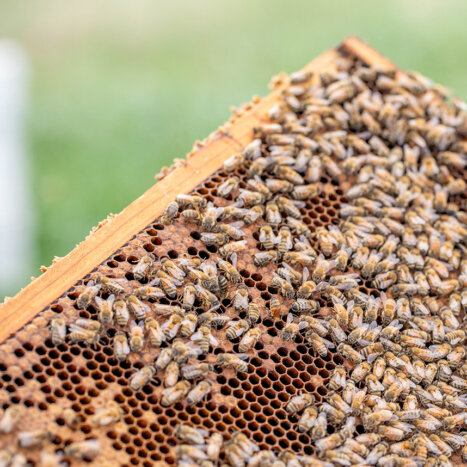
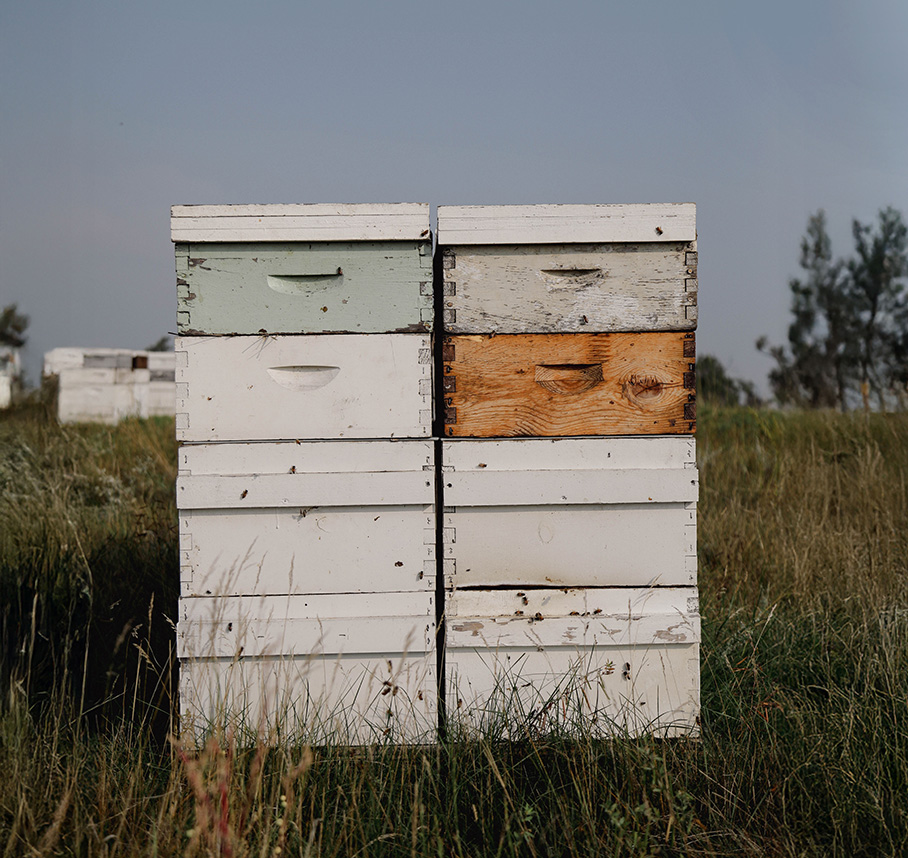
Urban beekeeping is trending, transforming city landscapes from concrete jungles into thriving pollinator habitats. Major cities such as Los Angeles, Washington, D.C., and New York have lifted restrictions in recent years, allowing residents to keep honey bee hives in backyards, on rooftops and within community gardens. What was once only a rural or agricultural practice is now a visible feature of urban sustainability movements.
Why Cities Are Buzzing
The popularity of urban beekeeping is fueled in part by concern over the dramatic decline in U.S. honey bee colonies – from approximately 5 million in the 1940s to roughly half that today. At Nate’s Hives, we harvest Nate’s Honey from happy, healthy honey bees and advocate for sustainable and responsible beekeeping practices. Urban environments offer surprising advantages, such as flexibility with botanical diversity and quality honey.
Pesticide exposure, habitat loss and climate variability have all contributed to instability in managed bee populations. For many city residents, hosting a honey bee hive feels like a tangible way to participate in ecosystem stewardship.
Botanical Diversity
Urban landscapes have the potential to contain an extraordinary mix of plant life. Cities like Philadelphia, for example, benefit from “hundreds of years of botanical awesomeness,” including ornamental plantings, historic gardens, flowering trees, vacant lots and wild growth.
Unlike agricultural regions, cities provide a rotating buffet of nectar and pollen sources throughout the growing season. This diversity can support more foraging opportunities.
Complex Honey Profiles
Because urban honey bees forage from a wide variety of plants – ranging from clover and linden trees to wildflowers and backyard herbs – the resulting honey often has layered, distinctive flavor profiles.
In contrast to honey produced from monofloral, urban honey may reflect the complex botanical mosaic of the surrounding neighborhood.
Therapeutic Value
In addition to ecological benefits, beekeeping offers personal rewards. Many hobbyists describe hive tending as meditative. The slow rhythm of inspections, the hum of worker bees and the visible structure of the colony create a sense of connection to nature’s cycles – something often missing in urban life.
Sustainability and Urban Green Spaces (UGS) Carrying Capacity
While urban beekeeping is frequently framed as a conservation effort, its sustainability depends heavily on the availability of Urban Green Spaces (UGS). Every ecosystem has a “carrying capacity,” meaning there is a maximum number of organisms it can support. In the context of urban beekeeping, this refers to how many honey bee colonies local floral resources can realistically sustain.
Understand Your Local UGS
Before installing a honey bee hive, prospective beekeepers should assess the abundance and seasonal continuity of flowering plants in their area. Parks, community gardens, tree-lined streets and vacant lots all contribute to forage availability. However, not all green spaces are equally productive, and floral gaps during certain months can strain colonies.
Enhance Habitat
Responsible urban beekeeping involves more than adding honey bee hives – including an increase in floral abundance. Converting portions of lawns into pollinator-friendly grasslands, planting native wildflowers, supporting flowering trees and encouraging biodiversity in small patches throughout neighborhoods can help balance pollinator demand and ecological supply.
Precision Beekeeping and the Future
Modern technology is also reshaping urban apiculture. Emerging tools, including acoustic monitoring systems and datasets such as UrBAN, allow researchers and beekeepers to monitor honey bee health non-invasively. Sensors placed near or within hives can detect changes in buzzing patterns that signal swarming behavior, stress or queen loss. This “precision beekeeping” approach reduces the need for intrusive inspections while enabling early intervention when problems arise.
As urban beekeeping continues to expand, its success will depend on thoughtful integration with broader ecological planning. Cities have the potential to serve as refuges for pollinators – but only if habitat quality and biodiversity are carefully balanced. When practiced responsibly, urban beekeeping can transform rooftops and backyards into vibrant settings within a larger, interconnected pollinator network – proving that even in the heart of a city, nature can thrive.
Read MORE