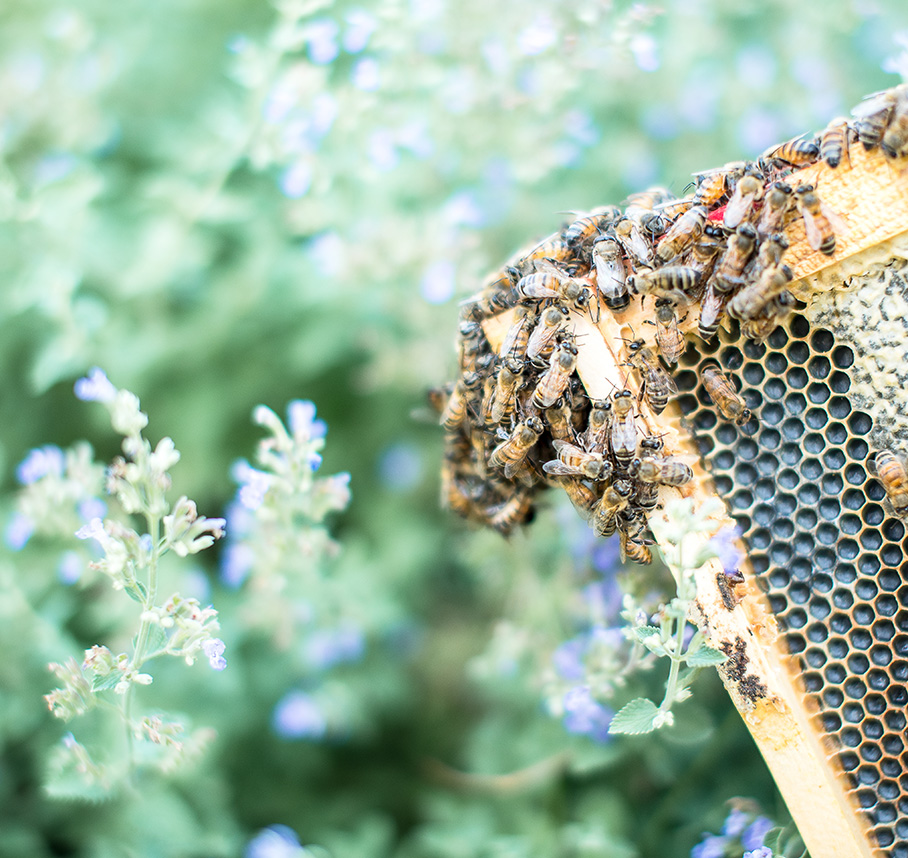
The honey bee’s role as a pollinator is vital for agriculture, yet the challenges associated with intensive farming and habitat loss pose a constant threat to colony health. To better support these essential workers, we need to understand how honey bees decide where to eat – or, in scientific terms, how they determine their pollen foraging preferences.
A honey bee is a generalist pollinator, meaning it can gather resources from many plant species. At the individual level, this selective foraging depends on the honey bee’s ability to discriminate between different pollens based on a combination of sensory stimuli, including color, taste, tactile qualities and odor. But beyond mere preference, honey bees actively collect resources to meet their colonies’ complex nutritional needs.
The Nutritional Complementarity Strategy
A recent study explored the foraging choices of honey bees exposed to different pollen sources in agricultural California, highlighting the honey bees’ drive toward nutritional diversity. Researchers trained honey bees to forage on bee-collected pollen from three distinct sources:
- Almond Orchard Pollen: Largely monoculture pollen, available during the limited mid-February bloom
- Sunflower Field Pollen: Monoculture pollen from a late-summer crop
- Mixed Species Pollen: A diverse blend collected from wildflower and inter-row plantings (like mustard and radish mixes)
When given a choice between the three types, honey bees showed a strong preference for Mixed Species Pollen (MSP), collecting the least amount of sunflower pollen. Crucially, the honey bees continued to collect all three types when available, suggesting they prioritize a varied diet.
- The MSP Advantage: The hive-collected MSP was the most chemically diverse, boasting high levels of essential vitamins and phytochemicals (like quercetin and kaempferol), which are known to improve overall health, disease resistance and longevity.
- Balancing Deficiencies: This preference for diverse pollen suggests honey bees actively seek nutrient complementarity to avoid dietary deficiencies that can be pronounced when confined to monoculture forage.
The Complexities of Nutritional Choice
While the honey bees’ preference for the chemically diverse MSP seems logical, the foraging results revealed that nutritional choice is surprisingly complex and isn’t based solely on known “essential” nutrients:
- Essential Fatty Acids: Sunflower pollen was rich in two essential polyunsaturated fatty acids, which are vital for honey bee reproduction, immune function and cognition. Despite these essential nutrients, sunflower pollen was the least collected and visited. This suggests that honey bees may not be able to detect these compounds or may prioritize other nutrients (like protein, vitamins or sterols) at a given moment.
- Sterols and Survival: MSP and almond pollens were preferred and showed higher relative levels of cholesterol. Since insects cannot produce cholesterol on their own, they must obtain it from their diet for survival, brood development and ovary maturation. This may be a key factor driving preference.
- Toxicity and Trade-offs: The preferred pollens also contained phytochemicals that can be toxic or repulsive in high concentrations (e.g., coumarin and quinine-like compounds). The honey bees’ continued preference for these pollens implies that the concentrations were low enough to be tolerated or the nutritional benefits of other components outweighed the cost of these compounds.
Preference versus Fidelity
The foraging behavior also highlights a species-specific difference between honey bees and their relatives, the bumblebees. This difference in behavior impacts how beekeepers and producers manage pollination contracts.
- Honey Bee Fidelity: Honey bees are generally more faithful to their flower patches than bumblebees, with a majority of honey bees consistently returning to the same plot for pollen and nectar. This high fidelity is thought to be driven by their waggle dance communication system, which allows the colony to rapidly and efficiently exploit a valuable resource, making honey bees excellent pollinators for a specific, large crop.
- Bumblebee Exploration: Bumblebees, by contrast, exhibit a more explorative foraging behavior and are less faithful to a single patch size. This lower fidelity allows them to move genes longer distances, promoting genetic diversity in plants.
The core takeaway is that while honey bees can be trained to forage on monocrops, their innate preference leans toward diverse floral resources. The scientific evidence reinforces the critical need for beekeepers and growers to support mixed species plantings (like wildflower habitats and inter-row crops) within agricultural landscapes. This strategy provides nutritional balance and is essential for safeguarding honey bee health and ensuring the long-term success of the managed pollination industry.
Read MORE