When people think of seasons in beekeeping, they might imagine movement. But the real story isn’t about distance or logistics – it’s about timing. It’s about flowers opening, landscapes changing and honey bees responding exactly as nature intended.
Across the United States, bloom seasons unfold like a living calendar. From the first blossoms of late winter to the wildflowers of summer and the deep nectar of fall, each phase plays a role in honey bee health, agricultural success and the flavor of the honey we enjoy. The Great Migration is simply the name we give to this seasonal rhythm – one that has shaped beekeeping and farming for generations.
Winter
Before the first flower blooms, honey bees enter a period of conservation. During winter, colonies rely on stored honey, clustering together to stay warm and protect the queen. This overwintering phase is essential. It’s a time when honey bees slow down, preserve energy and prepare internally for the rapid growth that spring will demand.
Strong overwintering means colonies emerge ready – not depleted – to take advantage of early blooms. When honey bees come out of winter healthy, they can respond quickly to the first major agricultural moment of the year.
Early Spring
That moment arrives in late winter and early spring with California’s almond bloom. For a brief window – typically mid-February through March – millions of almond trees flower at once, creating one of the most important pollination events in U.S. agriculture.
Almonds rely entirely on pollination to produce a crop, supporting an industry expected to reach a valuation of nearly $13 billion by 2028. While almond pollination is vital, it also requires careful management to ensure long‑term sustainability and honey bee health. For honey bees, almond pollen provides the first major natural nutrition source after winter, rich in protein and vital for rebuilding colony strength. This early pollen stimulates brood production and signals that the growing season has begun.
From a honey perspective, early spring nectar tends to be lighter and more delicate. While these blooms aren’t always the stars of honey harvest, they are foundational – setting up colonies for success later in the year.
Late Spring to Summer
As spring progresses, bloom diversity expands. This is where regions like North Dakota play an outsized role in honey quality. Vast prairies filled with clover, alfalfa, sunflowers and native wildflowers offer honey bees access to an exceptional range of nectar and pollen sources.
This diversity matters deeply. Monocultures bloom quickly and briefly, while wildflower landscapes provide sustained forage and a broader nutritional profile. Honey bees benefit from essential micronutrients that support immune function, longevity and resilience.
For honey, the result is complexity. North Dakota wildflower honey is known for its balanced sweetness, floral depth and layered flavor – qualities that can only come from honey bees foraging across dozens of plant varieties. These summer blooms are where premium honey truly takes shape.
Late Summer to Fall
As the season moves toward fall, nectar sources change again. Late-blooming plants contribute to darker honey with richer, more robust flavor notes. These honeys often reflect the soil, climate and plants unique to the region – proof that honey is as much a product of place as it is of season.
At the same time, honey bees begin preparing once more for winter. Honey production slows, and colonies shift focus from expansion to conservation. Thoughtful harvesting during this time ensures honey bees retain the stores they need to overwinter successfully, completing the annual cycle.
What the Great Migration Really Means
The Great Migration isn’t about movement for movement’s sake. It’s about aligning beekeeping with nature’s schedule – honoring bloom timing, supporting critical agricultural needs and prioritizing long-term hive health.
At Nate’s Hives, that means respecting the natural rhythm of seasonal forage availability, valuing floral diversity to produce better honey and support stronger honey bees, supporting essential agricultural moments such as almond pollination, and making intentional decisions about where and how honey bees forage.
From Bloom to Bottle
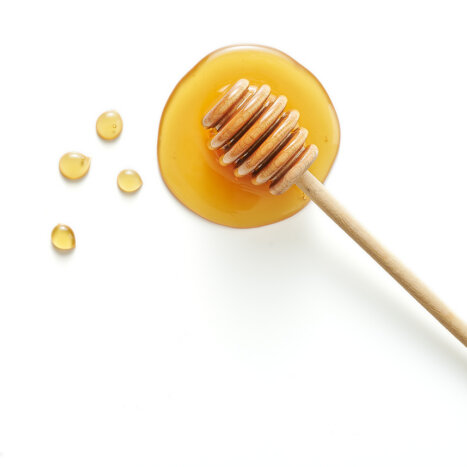
Every bottle of Nate’s Honey tells a seasonal story. Lighter spring notes, complex summer florals, deeper fall tones – these differences are the result of honey bees following the bloom, as they’ve done for thousands of years.
The Great Migration isn’t just instinct – it reflects the natural patterns that honey bees, as livestock, depend on for their wellbeing. By supporting them through every season and optimizing their routine around these rhythms, we help ensure long‑term honey bee hive health, stronger agricultural systems and pure honey that reflects the integrity of nature.
Read MORE