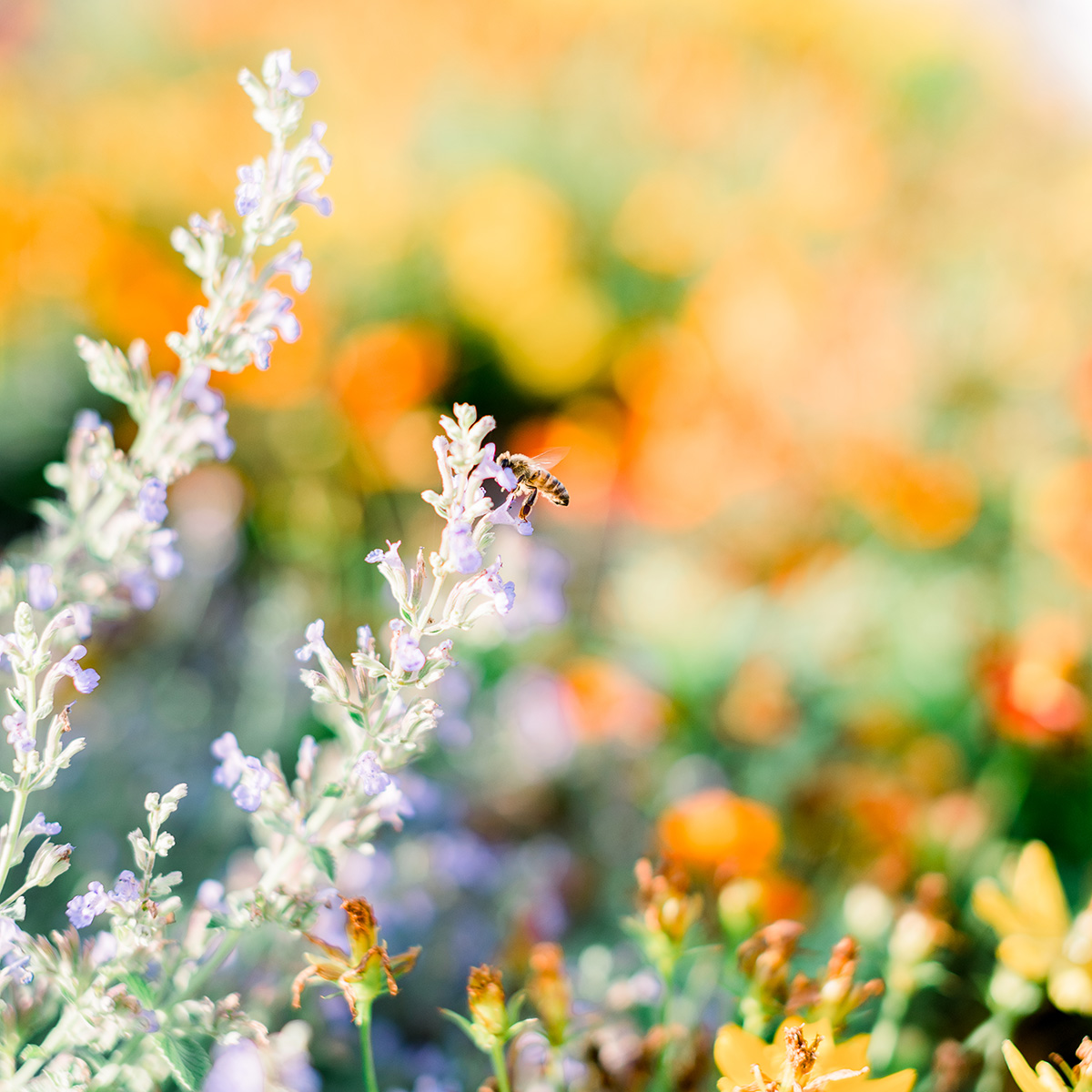
The food system that sustains us is built upon a delicate, ancient biological process: pollination. While we often associate farming with soil, water and sunlight, the movement of microscopic yellow dust—pollen—is the catalyst for fruit, vegetable and seed production. Very simply, pollination is the transfer of pollen from the stamen (the male part of a plant) to the pistil (the female part), enabling fertilization and seed production to begin.
This essential step in plant reproduction depends heavily on the diligent work of animal messengers called pollinators. Without them, about one-third of the produce in your grocery cart wouldn’t exist, making these tiny creatures a critical component of today’s agricultural economy.
Why Pollinators Work to Help Our Food System
Pollinators aren’t altruistic; they’re driven by a need for energy. For millions of years, plants and pollinators have co-evolved to form a perfectly balanced mutualistic relationship.
- The Reward: Plants attract pollinators by offering nectar, a sweet, high-energy liquid. As the animal drinks the nectar, it brushes against the flower, and pollen sticks to its body.
- The Transportation: The pollinator then carries this pollen to the next flower it visits, effectively cross-pollinating the plants and allowing them to reproduce. This cross-pollination also increases genetic diversity, which is vital for plant resilience.
- Plant Attraction: Plants have evolved remarkable strategies to ensure this happens, including developing bright colors, fragrant smells and even ultraviolet spectrum patterns visible only to insects. Some plants have even evolved alongside only one specific pollinator species, a tight biological bond known as obligate mutualism.
The Economic and Nutritional Value of Honey
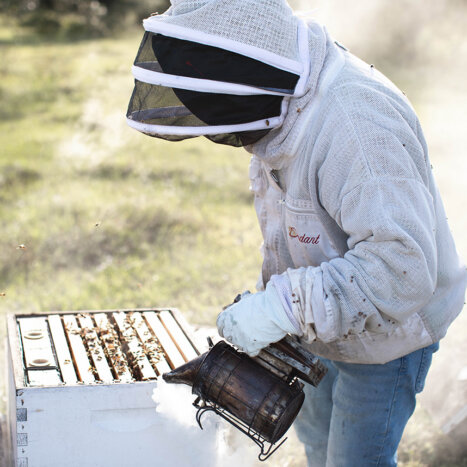
Among the many pollinators—which include native bees, butterflies, bats and wasps—the honey bee (Apis mellifera) behind Nate’s Honey is uniquely suited to support large-scale agriculture, performing a vital “second shift” after collecting nectar for honey.
Efficiency and Economic Impact
Many growers regard honey bees as a highly efficient and cost-effective pollination option because of several key traits:
- Manageability: They can be managed and moved in large numbers from crop to crop by beekeepers, allowing for targeted pollination.
- Generalists: They are resilient generalists, foraging on and pollinating many types of blooms. They are also extremely efficient, because they prefer to focus on one nectar source at a time. This maximizes the chances of successful reproduction for the targeted crop.
- Economic Contribution: The sheer scale of the honey bees’ work in the U.S. is immense. According to the U.S. Department of Agriculture, honey bees alone pollinate $15 billion worth of crops each year, including more than 130 types of fruits, nuts and vegetables. The overall economic value provided by all insect pollinators is valued in the billions of dollars globally, with honey bees responsible for up to $5.4 billion in U.S. agricultural productivity alone.
Dietary Impact
The honey bees’ work is directly tied to a balanced and healthy human diet.
- Nutritious Crops: Thanks to honey bees, we can enjoy nutritious crops like fruits, vegetables, legumes and nuts, including almonds. These crops constitute about one-third of the human diet, with honey bees responsible for up to 80% of this pollination. Furthermore, studies show that insect pollination significantly enhances the nutritional content of major crops.
- Indirect Benefits: The benefits extend to the meat and dairy industries, as bees are expected to pollinate livestock feed crops, such as alfalfa.
The Importance of Wild Pollinators
While the managed honey bee is a powerful tool for commercial agriculture, wild bees and native pollinators are just as critical for a resilient ecosystem.
- Native Effectiveness: Depending on the plant species, native bees (like bumble bees) can be even more effective pollinators than honey bees. Bumble bees, for instance, use a special technique called “buzz pollination” to vigorously shake pollen from flowers, which increases the chances of successful reproduction.
- Ecosystem Health: Conservation of native pollinators is extremely important. Without them, much of our native ecosystem and a portion of our agricultural crops would remain unpollinated, demonstrating the need for both managed honey bees and robust wild bee populations to sustain our food system.
The movement of pollen, from the male stamen to the female pistil, is a simple, miraculous event. The labor of bees—both managed and wild—is what turns that microscopic event into a reliable bounty, sustaining communities and economies around the world.
Read MORE