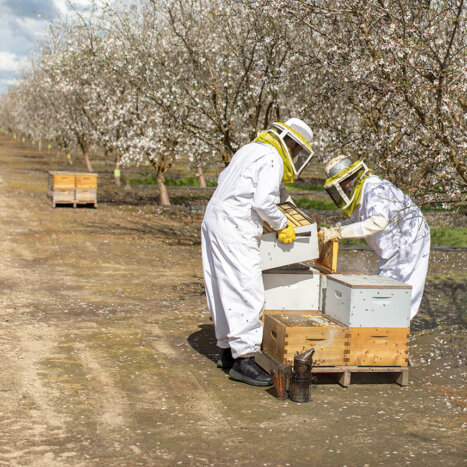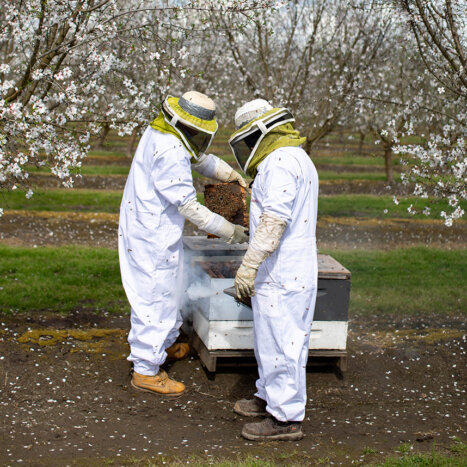
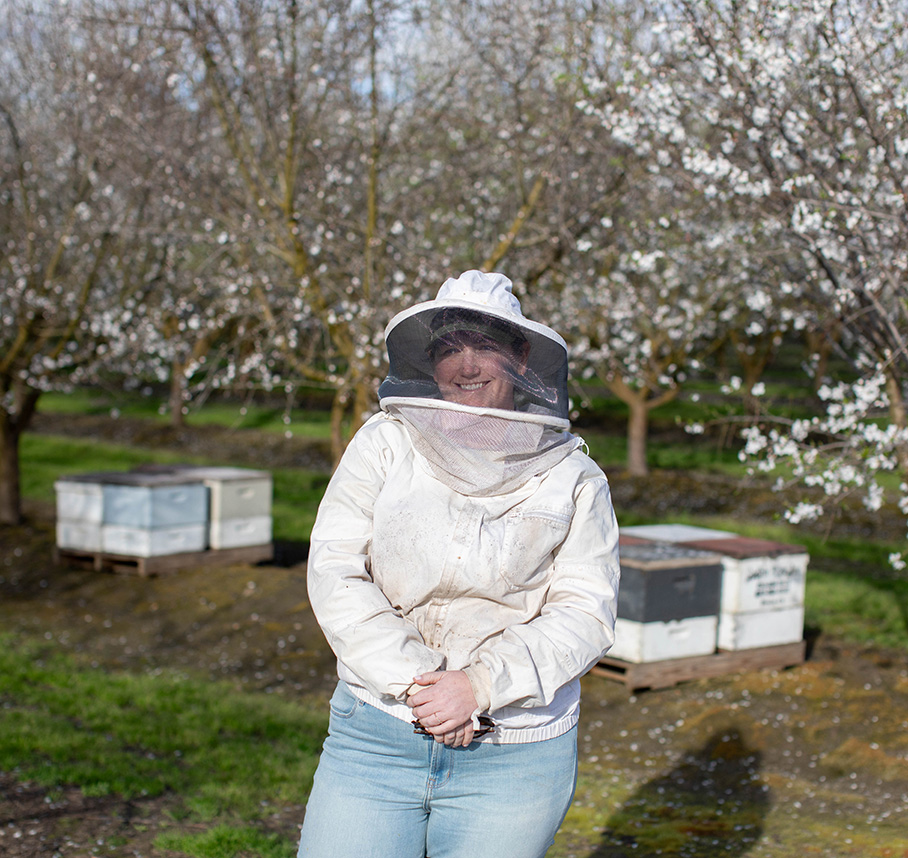
At Nate’s Hives, we often talk about the hard work that goes into providing Nate’s Honey. But behind every buzz and every bottle of 100% pure, raw & unfiltered honey is a team of experts dedicated to the science of the hive. Leading those efforts is Dr. Kelly Kulhanek, Senior Entomologist for Nate’s Hives.
If you aren’t a scientist, you might wonder: What exactly are entomologists, and what do they do for our beekeepers at Nate’s Hives and our honey company Nate’s Honey?
What Is Entomology?
Simply put, entomology is the study of insects and their complex relationships with humans, the environment and other organisms. While some people see bugs as a nuisance, entomologists see them as the foundation of our global ecosystem.
Entomologists contribute to everything from agricultural production and food safety to pharmaceuticals and even criminal investigations. In the world of beekeeping, entomologists are essentially a honey bee doctor and a honey production strategist rolled into one. At Nate’s Hives, they study the physiology and behavior of our honey bees and provide real-world, science-backed solutions to protect the health of honey bees and ensure colonies aren’t just surviving but thriving.
A Day in the Life of a Nate’s Hives Entomologist
For Dr. Kelly Kulhanek, the work goes far beyond looking at bees. Here are some of the critical tasks an entomologist performs to support our hives:
1. Data Collection and Hive Monitoring
Science starts with data. Entomologists spend a significant amount of time in the field monitoring colony health. This includes:
- Varroa Mite Loads: Assessing parasite levels to prevent the spread of diseases like Deformed Wing Virus.
- Brood Production: Analyzing brood (the queen’s eggs) patterns to determine whether a queen is healthy and the colony is growing at the right rate.
- Honey Yield and Quality: Ensuring the honey bees are foraging efficiently and producing the highest-quality, best-tasting honey you expect.
2. Testing for Environmental Stressors
Insects are highly sensitive to their surroundings. Entomologists track environmental indicators – such as pesticide exposure and changes in forage quality – to understand how external factors are impacting the honey bees. This data helps beekeepers make informed decisions about where to place hives and how to protect them from a dynamic environment.
3. Collaboration and Innovation
The beekeeping industry is constantly evolving. Dr. Kulhanek fosters collaboration with other researchers through organizations like COLOSS, an international honey bee research network. By attending global conferences and contributing to research in scientific journals, our team stays on the cutting edge of honey bee science. This allows us to provide innovative, data-backed solutions to our beekeepers who are caring for our 120,000+ colonies.
4. Outreach and Beekeeping Education
An entomologist’s knowledge is only as good as how they apply it. A major part of the role of the entomologist involves outreach, talking to commercial beekeepers and hobbyists at annual conferences like the American Beekeeping Federation Conference. They provide the boots-on-the-ground answers beekeepers need to tackle modern challenges like Colony Collapse Disorder and nutritional deficiencies.
Why It Matters for Your Honey
When we understand how honey bees and their environment work together, every drop of honey becomes more meaningful. Having a full-time entomologist on staff means that Nate’s Hives isn’t just harvesting honey; we are actively participating in pollinator conservation and sustainable agriculture.
“Applied research gives us the insight we need to understand which management practices truly help honey bees thrive,” Dr. Kulhanek says. “By asking the right questions and collecting the right data, we can support healthier hives and a stronger food system.”
So, the next time you see a bottle of Nate’s Honey, remember that there is a world of science, heart and entomological expertise protecting the honey bees that made it.
Read MORE