When you think of the top-producing agricultural regions in the United States, cornfields in Iowa or citrus groves in California might come to mind. But when it comes to liquid honey, North Dakota and South Dakota play a leading role.
Together, these two states form the heartland of American honey production. Year after year, the wide-open northern plains produce tens of millions of pounds of honey, fueling the U.S. honey market, and contribute to supporting the pollination of crops across the entire country.
The Dakotas’ Honey Dominance by the Numbers
To fully appreciate the sheer scale and importance of the Dakotas within the American apiculture industry, just look at the remarkable numbers behind their annual harvest:
- No. 1 Honey Producer in the Nation: According to the North Dakota Department of Agriculture and USDA data, North Dakota consistently ranks as the nation’s leading honey-producing state, having contributed more than one-quarter of U.S. honey production in recent years.
- A Powerhouse Duo: South Dakota consistently ranks in the nation’s top five leading honey-producing states, and together, the Dakotas contribute one of the largest regional shares of honey harvested annually in the United States.
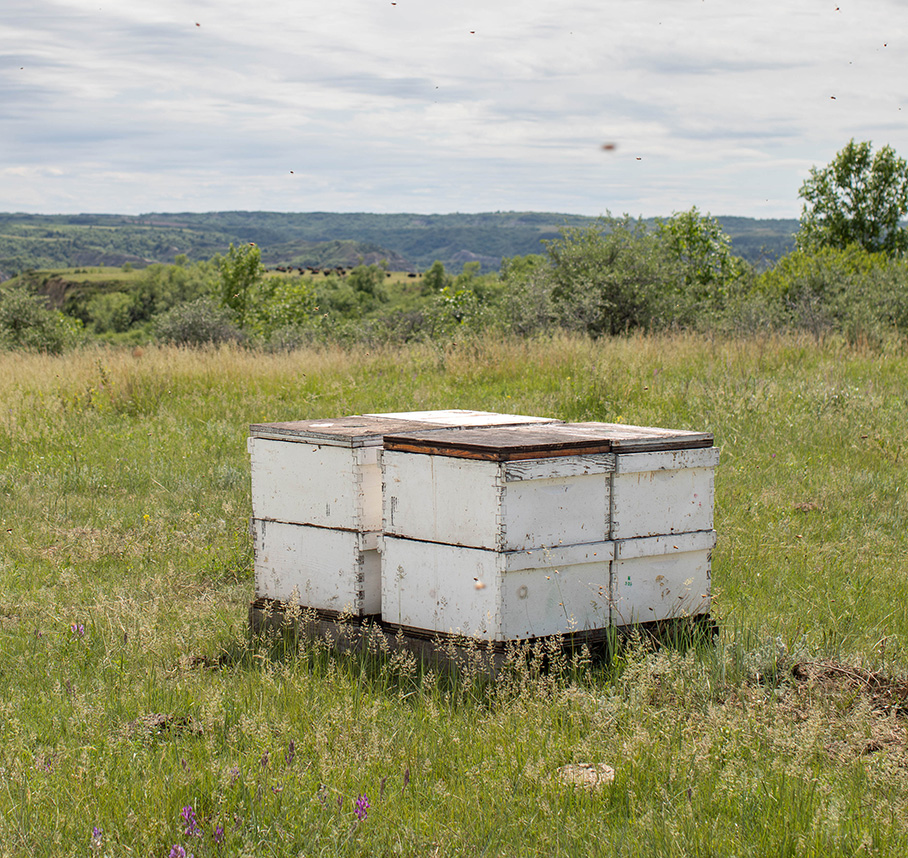
- Hundreds of Thousands of Colonies: During the peak summer season, South Dakota hosts nearly 200,000 honey bee colonies, while North Dakota accommodates twice that many.
The Crops behind Dakota Honey
Why do honey bees thrive so exceptionally well in the Dakotas? It all comes down to the vast, uninterrupted prairie landscape and the abundance of nectar-rich flowering crops.
During the warm summer months, worker bees forage across millions of acres of:
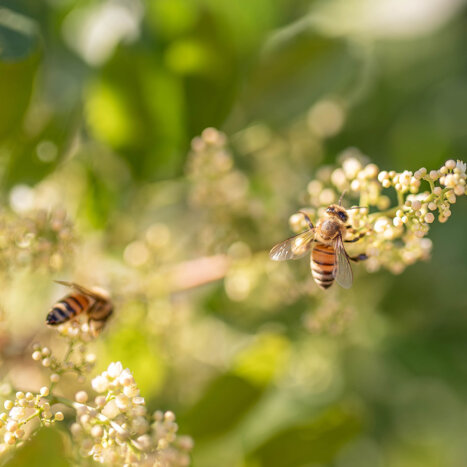
- Sweet Clover & Alfalfa: These legumes grow abundantly across the northern plains, producing a light-colored, mild-flavored honey that is highly prized.
- Canola & Sunflowers: Bright yellow fields of canola and golden sunflower blooms offer rich nectar flows that allow colonies to build up massive honey stores quickly.
- Wild Prairie Flowers: Prairie blossoms offer a variety of pollen and nectar sources, creating a rich foraging landscape for honey bees throughout the season.
The April through September Rush
Beekeeping in the Dakotas follows the rhythm of the northern climate. While winters on the plains are far too harsh for active foraging, the spring and summer months transform the landscape into a pollinator paradise.
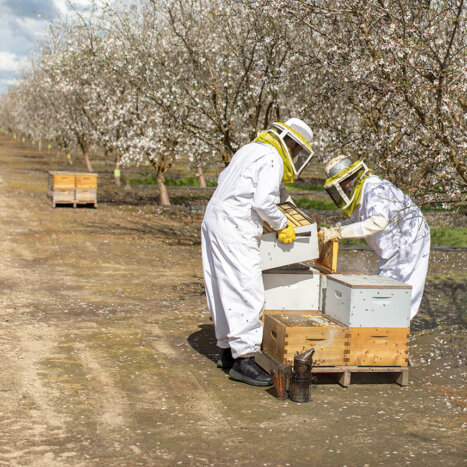
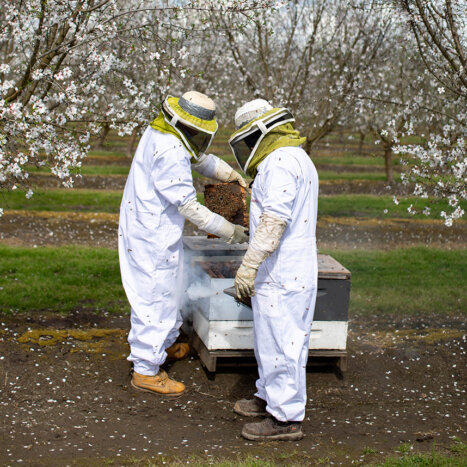
The action ramps up between April and May as beekeepers bring their hives back to the Dakotas after spending the late winter staying warm and healthy in west coast orchards.”
From June through August, the long summer days and warm sunshine trigger peak bloom. Worker bees can forage from sunrise to sunset, creating honey at astonishing speeds. By September, temperatures begin to dip, flower blooms fade and beekeepers return to warmer wintering grounds to best protect the honey bee hives.
Why This Region Matters
The Dakotas’ role in American honey production is a reminder that great honey begins long before it reaches the bottle. At Nate’s Hives, we’re grateful for the skilled beekeepers and on-staff scientists who help protect honey bee health across this rich landscape, supporting thriving food systems and producing high-quality, great-tasting honey people love.
Read MORE