A blog post by Josh Hosler, Director of Business Development at Nate’s Hives
I’m writing this at 35,000 feet, heading home after a productive week in California with some of our largest almond customers. With harvest wrapping up, growers and farm managers finally have a little breathing room, which makes this the right time to look back on this year’s pollination and start planning for the next.
Yesterday I sat down with a longtime customer in Kern County, California. This almond grower has become one of our strongest advocates and gone out of his way to connect and strongly recommend us to other growers across his network. So, I asked him directly, “Why do you advocate for us so passionately? I know your yields are up significantly while the county is down this year, but is there something else we’ve done that made an impression?”
He told me a story.
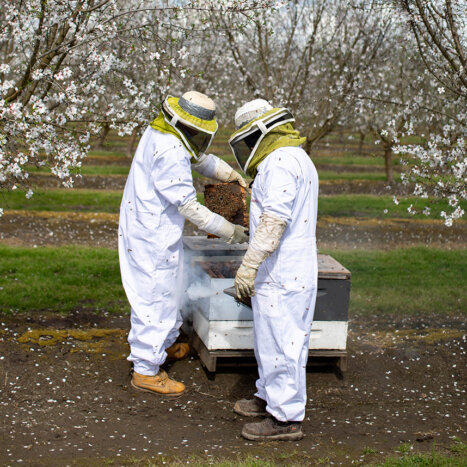
A couple of years ago, this almond grower had two orchards near each other. One orchard was pollinated by Nate’s Hives, with our healthy honey bees and a dedicated, on-staff team of beekeepers. The other orchard was pollinated by a well-known competitor. When he went out to check the hive placements, he determined he wanted to make a couple changes at both orchards that would be critical to his yields. He called both companies and asked them to adjust some hive placements.
Our local beekeeping manager called him back within a couple of hours and made the necessary adjustments to optimize his yields without compromising the health of our honey bees. The work was completed in less than 12 hours.
Our competitor took 12 days. By then, the bloom window had passed, and it was too late.
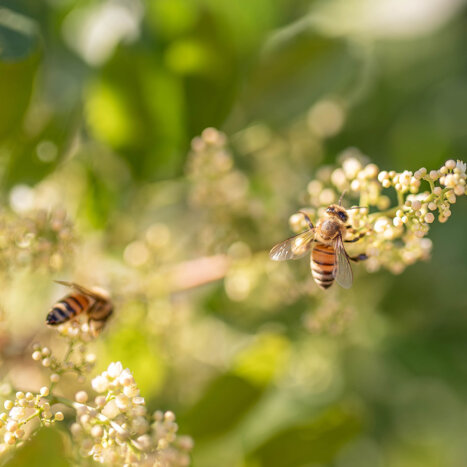
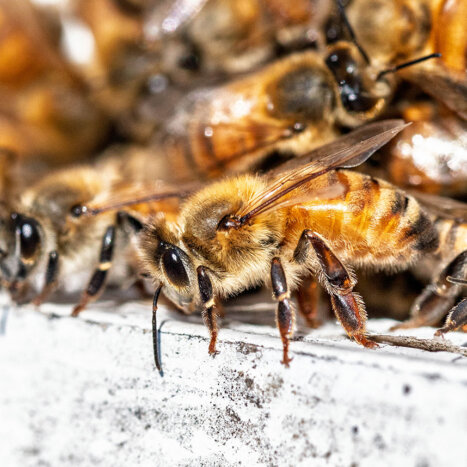
The grower added one more thing. “What also made an impact on me was your bees. When I’m in an orchard with your bees, the sound, the movement, everything is alive, and it’s loud. I want loud bees.”
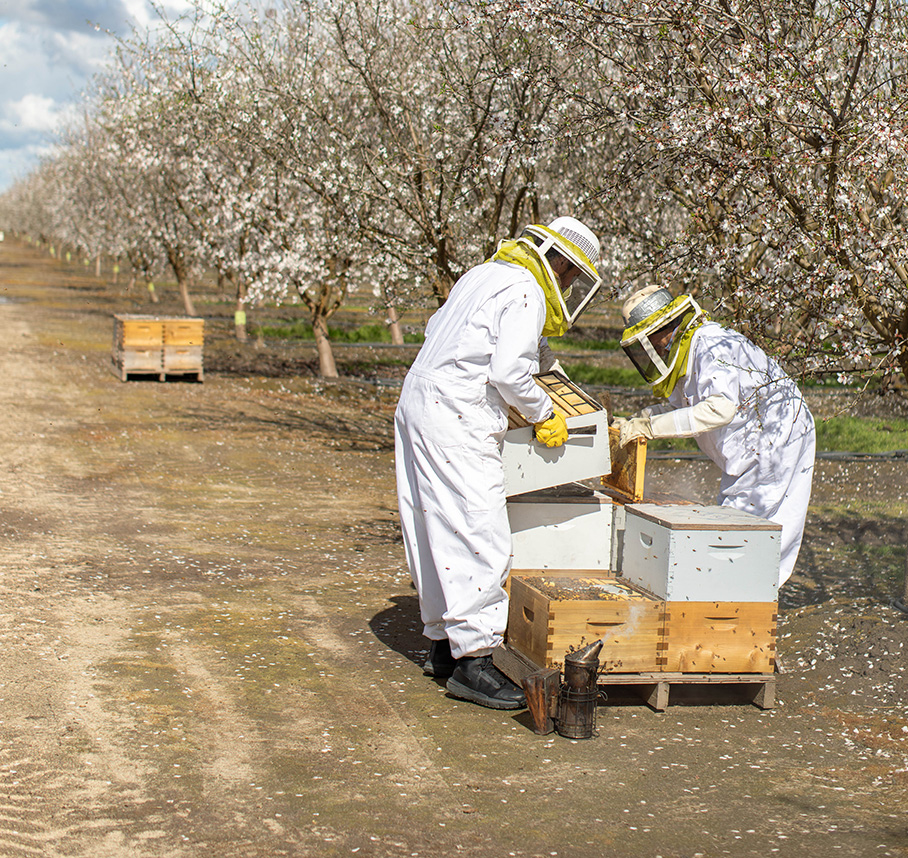
That conversation captured what we’re building. Our approach to almond pollination is simple: deliver the healthiest possible hives, backed by the best possible service. Our strong honey bee colonies thrive alongside blooming orchards, supporting crop pollination while benefiting from a healthy forage environment, and our responsive, on-staff beekeepers make sure that pollination happens where and when it should.
To deliver both, we made deliberate investments to build an expert team unlike anything in the industry and to leverage technology that makes a difference for every grower. Nate’s Hives employs an entomologist, a plant scientist and a quality control specialist, all focused entirely on honey bee health, nutrition and science-backed data. We also have a full-time logistics supervisor who coordinates field operations, pollination contracts and colony placement.
Equally as important, we own every hive we place, and when something can be changed to benefit our growers, there’s no subcontractor or out-of-state beekeeper to chase down – just our team, committed, ready to respond and take action.
Growers know that pollination comes down to a few critical weeks, and there is no second chance at bloom. Nothing can replace healthy honey bees, a dedicated team of experienced beekeepers who pick up the phone and a specialized team of scientists and experts behind them. That’s why we care for our hives and offer the best service growers have ever seen, one loud orchard at a time.
Read MORE