A blog post by Matt, the president and head beekeeper of Nate’s Hives
My family has been caring for honey bees since the 1400s. While many fundamentals of beekeeping remain unchanged, some of the tools we use today would be unrecognizable to beekeepers from centuries ago — and even from two or three decades ago. Colonies still need healthy queens, complete nutrition, favorable weather and abundant forage, but the way we monitor and manage those factors has evolved dramatically.
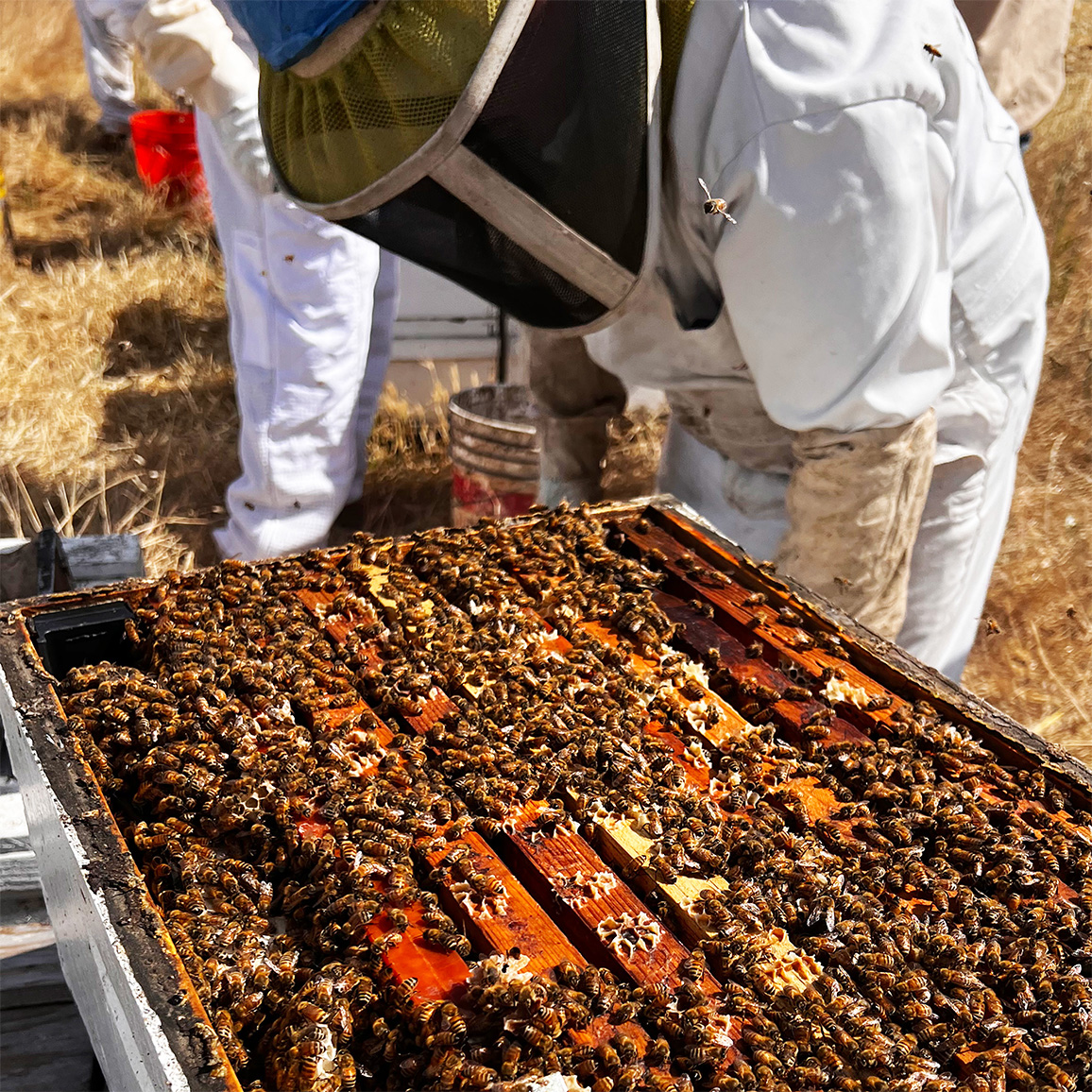
Historically, beekeeping relied heavily on the experience and observation of the individual beekeeper. A beekeeper would open a hive, inspect frames, evaluate brood patterns and make management decisions based on what they saw. Those skills remain critical today, and there is still no substitute for experienced eyes in the field. However, data that once lived only in notebooks, or in the memory of a beekeeper, can now be collected, analyzed and compared across thousands of colonies.
Modern beekeeping increasingly incorporates technology that gives beekeepers a clearer view of colony health, location efficiency, weather risks and production opportunities. The ability to process large amounts of information helps us identify trends, measure outcomes and continuously improve how we care for honey bees.
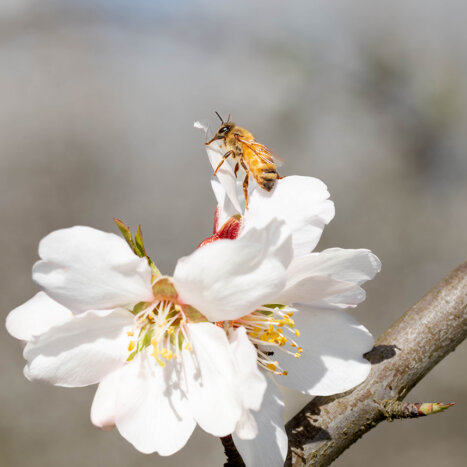
This evolution is especially important in pollination, a symbiotic process that supports both the nutritional health of honey bees and the growth of more than 130 foods. Successful pollination depends on coordinating colony strength and health with grower needs, all within a narrow bloom window.
Technology brings greater visibility into those variables for both beekeepers and growers. Digital hive tracking, geographic analysis, environmental monitoring and predictive modeling help beekeepers make more informed decisions and respond more quickly when conditions, including weather or pest pressure, change. At the same time, growers gain greater insight into colony strength and pollination activity throughout bloom.
At Nate’s Hives, we use technology to support our beekeepers and honey bees with the understanding that data and AI can help identify trends and opportunities, but they cannot replicate the personal judgment of a beekeeper in the apiary. The most valuable tool in beekeeping remains the beekeeper and his or her experience, which is why Nate’s Hives has more than 120 dedicated and experienced beekeepers on staff.
The future of beekeeping will involve even greater integration of science and technology as traditional management practices evolve into more precise, informed care. As growers seek greater consistency and beekeepers face increasing challenges related to weather, pests and economics, these tools will become increasingly valuable additions to the original smoker and hive tool.
For centuries, beekeepers in my family have adapted to changing environments, new challenges and new technologies. Today’s tools may include data analytics and AI instead of handwritten notes, but the mission remains the same: Care for honey bees, understand their needs and give them the best opportunity to thrive.
After all, honey bees are still doing remarkable work, producing pure, raw honey and helping pollinate more than 130 crops that contribute to the foods we enjoy every day. Our responsibility is to use every tool available — from time-tested beekeeping practices to today’s technology — to help them thrive.
Read MORE